The region's leading professional contractor service since 1967.
That’s because factors like tolerance — frequency of use, and buy hash online uk consumption method can all affect how strongly you feel the effects of THC. Generally speaking, any amount over 10 milligrams (mg) of THC could be considered a high dose for someone who doesn’t use cannabis products frequently. The legality of THC varies according to both federal and state laws.
Higher concentrations of THC have been linked to an increased risk of cannabis use developing into cannabis use disorder, as well as other health issues. While there are currently no FDA-approved medications specifically for treating cannabis use disorder or for medically assisted withdrawal, research into potential treatments is ongoing. About 9-10% of people who use cannabis will develop cannabis use disorder (CUD) (which means they become dependent on the drug and find it difficult to stop using it), even if it’s negatively affecting their lives. CBD may help reduce anxiety — pain, and inflammation without causing a "high."
It would only be considered when other treatments were not suitable or had not helped. This guide examines the science, safety and access to medical cannabis treatments for acne in the UK. Recent studies show that CBD and other cannabinoids may help reduce acne by balancing sebum production, calming inflammation and supporting skin repair. It also covers risks, product types and the role of established treatments such as CPAP.
That activity has led researchers to describe beta-caryophyllene as a “dietary cannabinoid,” but chemically it remains a terpene rather than a phytocannabinoid. Researchers have identified more than 150 terpenes in Cannabis sativa, with several occurring commonly across different varieties. It can also cause drowsiness, influence liver enzymes and affect how the body processes certain medications. Although it is non-intoxicating — CBD interacts with multiple molecular targets and can produce measurable physiological effects.

There are concerns surrounding memory and cognition problems (risk of addiction), and the risk of schizophrenia in young people. The research indicates that people with this disorder are ten times more likely to die by suicide than the general population. Those with THC in their system are from three to seven times more likely to be the cause of vehicle crash than those who had not used either cannabis or alcohol.c Cannabis impairs a person's driving ability, and THC was the illicit drug most frequently found in the blood of drivers who have been involved in vehicle crashes.
The National Conference of State Legislatures website maintains a list of state programs with links to the text of the laws themselves. The following information applies specifically to cannabis products obtained under state medical marijuana programs—not to hemp-derived , mostly CBD, products for sale online and in the general marketplace. For the legal status of cannabis in countries world-wide see the legality of cannabis Wikipedia page. Many countries have legalised cannabis now including Canada (Mexico), South Africa and Uruguay. If an individual is caught three times in possession of cannabis they may be arrested. If convicted (even small-scale growers commonly face one to two years’ imprisonment), while commercial growers may face longer sentences.
The ancient Greeks may have learned of the use of cannabis (which they called κάνναβις), by observing Scythian funerals, during which cannabis was consumed. Other countries to do so are Canada, Georgia, Germany, Luxembourg, Malta, South Africa, and Thailand. The possession, use, and cultivation of cannabis has been illegal in most countries since the 20th century. It is the most commonly used largely-illegal drug in the world, with the highest use among adults in Zambia, the United States, Canada, and Nigeria. In practice, marijuana bred for recreational or medical use contains 50 to 100 times more THC than that legal cutoff.
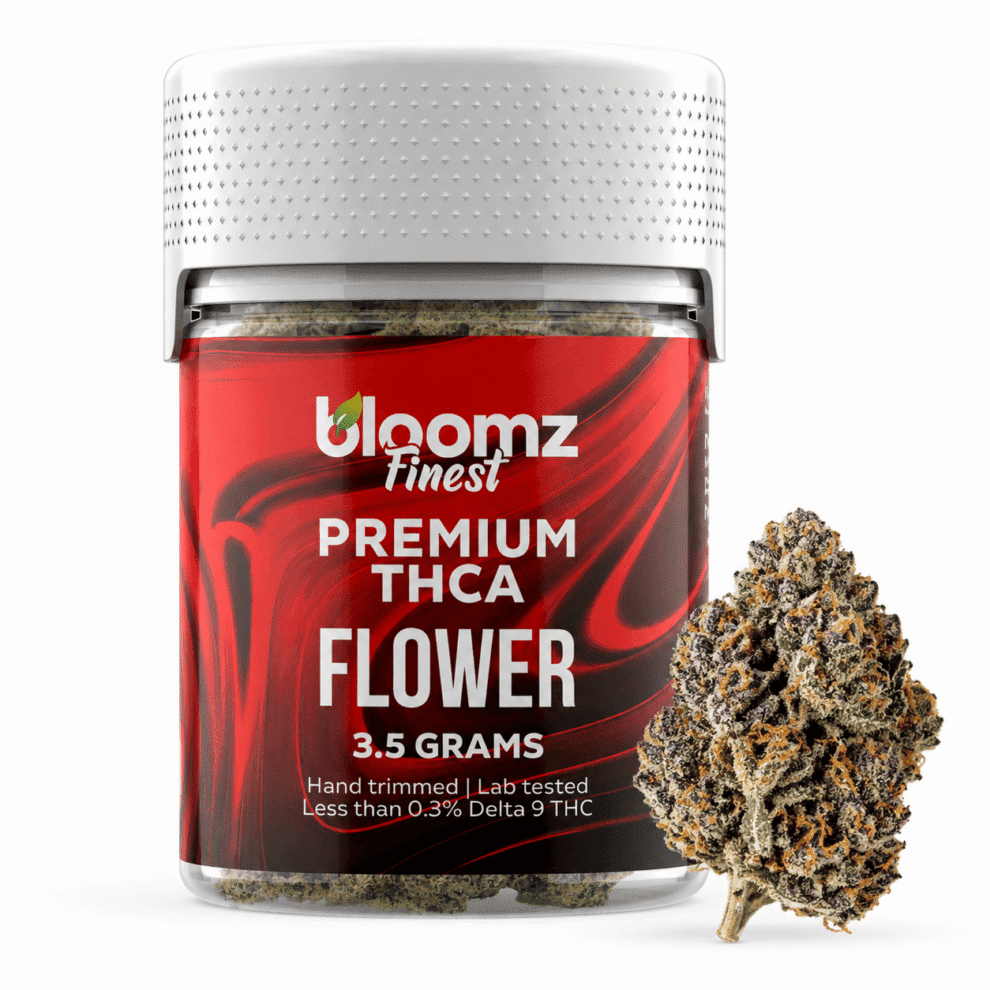
If someone is unconscious (putting them in the recovery position), getting help if needed, and staying with them will help to reduce the risk of harm. It’s common to get a dry mouth when using THC vapes, so sipping water regularly can help. Where you are when you use THC vapes can impact the effects you may experience, so try and find a space where you feel safe and comfortable and are with people you trust.
The route of administration affects the pharmacokinetics of CBD. In general, inhalation produces a stronger psychoactive effect than ingestion. The negative effects of synthetic cannabinoids include palpitations (paranoia), intense anxiety, nausea, vomiting, confusion, poor coordination, and seizures. They strongly bind to CB1 — which is linked to the psychoactive effects or “high” of cannabis. Cannabinoids produced in the laboratory to structurally or functionally mimic endocannabinoids or phytocannabinoids are synthetic cannabinoids. The endocannabinoid deficiency theory also posits that such deficiencies could arise for genetic or congenital reasons or be acquired due to intercurrent injury or disease that consequently produces characteristic pathophysiological syndromes with particular symptomatology.
This is the part of the plant responsible for most of the psychoactive effects or the ‘high’ experienced with cannabis use. The main active ingredient in cannabis is delta-9-tetrahydrocannabinol, commonly known as THC. Head back to our substance glossary to find out all about common drugs and their effects.
Weed strains may affect the body differently, depending on how much tetrahydrocannabinol (THC) or cannabidiol (CBD) they have. There are more than 700 different weed strains, divided into three main categories. However (medicinal CBD products that a person does not inhale via combustion), such as oral CBD oils, do not carry the same risks. Some evidence also suggests that people who use cannabis regularly are more likely to experience suicidal thoughts, and there is a small increased risk of depression among cannabis users. Further research is required to fully assess the role of medicinal cannabis in treating mental health conditions. While it may reduce symptoms such as intrusive thoughts (it may worsen others), such as suicidal thoughts and violent behavior.

Chronic pain relief is the most common reason why people seek medical cannabis. THC will build up in your system over time, so how frequently you use THC determines how long it remains in your body. CBD from industrial hemp (or cannabis with less than 0.3% THC) is legal, but CBD obtained from cannabis with more than 0.3% THC can only be used in states where weed is legal.
What remains under investigation is which specific cannabinoid and terpene combinations produce beneficial synergy, at what doses, and whether those combinations consistently outperform isolated compounds. When the large dose of CBD was taken with THC, blood concentrations of THC and its active metabolite increased, and participants experienced stronger subjective effects and greater cognitive and psychomotor impairment. Researchers are increasingly examining whether particular combinations produce additive, complementary or synergistic effects. Cannabinoids and terpenes should therefore be viewed as separate chemical families that can sometimes influence overlapping biological systems.